
Trusted Social Security Attorney in Charleston, West Virginia Serving the Appalachian Region
Disability cases are not decided by diagnosis alone. They are won through clear medical evidence and careful case development.
If your health keeps you from working, the question is not just what you have been diagnosed with. The question is what your medical records show about how your conditions limit reliable work and daily functioning. Shawn Taylor helps clients throughout West Virginia and nearby parts of Ohio, Kentucky, and Virginia build stronger disability claims, avoid unnecessary delay, and move through the process with clear guidance.

We take on Social Security so you can take care of yourself.
Don’t go through this alone.
We are here to help!
Why People Choose Our Office
Disability cases are rarely simple. We help people move through the process with clearer answers, stronger preparation, and communication that keeps the case moving.
We focus on what matters
A diagnosis alone is not enough. Social Security looks for medical evidence showing real functional limitations.
We build stronger claims
We obtain records, identify gaps, and help clients avoid mistakes that can weaken a case early.
We make the process easier
Most clients do not need to come to the office. We use reliable communication methods that keep cases moving.
You get personal legal judgment
Shawn Taylor personally reviews new cases and remains responsible for legal strategy, supported by experienced staff who handle day-to-day development.
Your Disability Advocate working with you in the Tri State Area: West Virginia, Kentucky and Ohio

Why many disability claims are denied
Many disability claims are denied not because the person is not struggling, but because the record does not clearly show how their medical conditions limit reliable work. A diagnosis alone usually does not decide the case. What matters is whether the evidence explains the real effect of a person’s symptoms on day-to-day functioning and the ability to keep up with full-time work.
That is where many claims break down. Medical records may be incomplete, treatment may be inconsistent because of cost or access problems, and people often understate what they are dealing with. As a result, the file may not fully reflect the severity of the problem over time. We help clients understand what Social Security is looking for, how stronger evidence is developed, and how to avoid the kinds of gaps and misunderstandings that can lead to a denial.
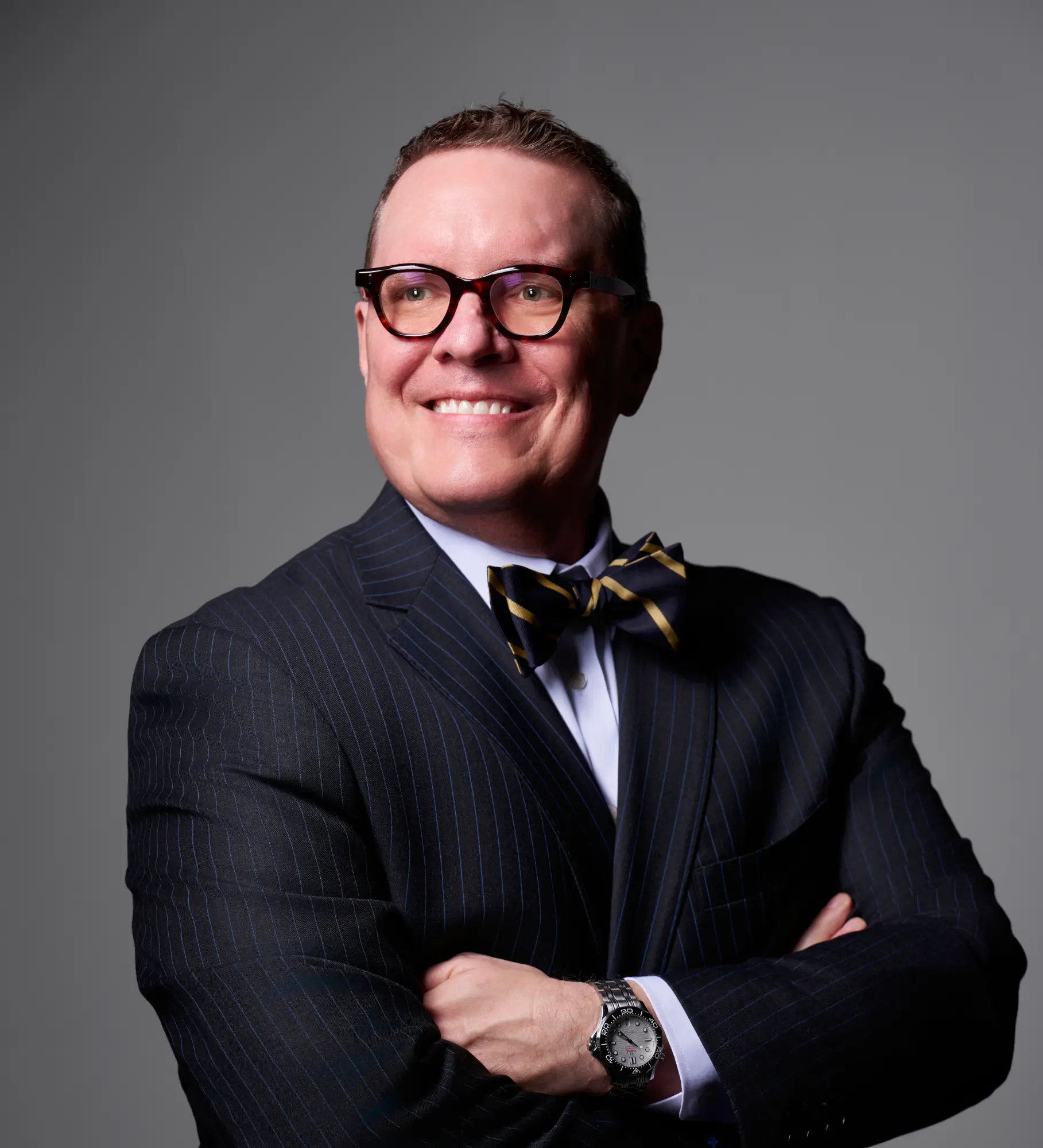
How we help build a stronger case
We do more than file forms. Our office gathers medical records, tracks deadlines, responds to Social Security requests, and helps clients understand what information matters most. We guide the case through the process while keeping the burden off the client as much as possible.
-
We gather the records
We request medical records directly and help organize the evidence your claim depends on. -
We guide the process
We track the claim, explain the next steps, and help you avoid unnecessary delay. -
We stay focused on the right proof
We work to make sure the record shows how your health limits work and daily functioning.
We work with many kinds of disability claims
Strong disability cases come from many different life situations. Some people have long work histories and serious physical conditions that have made steady work impossible. Others are younger and dealing with a major injury, chronic illness, or a combination of physical and mental health problems that now affect reliable work. We also work with SSI claimants who may have limited work history but still have legitimate medical limitations that deserve careful evaluation.
Many of the people we help are dealing with more than one problem at the same time, including chronic pain, fatigue, anxiety, depression, treatment gaps, or difficulty getting consistent care because of finances, insurance, or transportation. What matters is not having a “perfect” case. What matters is showing how your health problems affect daily functioning and the ability to work on a reliable basis.

Social Security Disability (SSDI) Claims in Charleston, WV Serving the Appalachian Region
If a medical condition keeps you from working, SSDI may help when your condition prevents substantial work and is expected to last at least 12 months. But a diagnosis alone does not decide the case. What matters is whether the medical evidence shows how your condition affects reliable work and daily functioning.
Our office helps people across West Virginia and nearby parts of Ohio, Kentucky, and Virginia build stronger claims by gathering medical records, explaining what matters, and keeping the process moving with less confusion and delay. In many cases, you do not need to travel to our office. Shawn Taylor personally reviews new cases and remains responsible for legal strategy throughout the process.
SSI (Supplemental Security Income) Claims in Charleston, WV, Serving People Across the Surrounding Region
Supplemental Security Income, or SSI, is a needs-based program for people who are disabled, blind, or age 65 or older and who have limited income and resources. For many people, the challenge is not just applying. It is understanding what Social Security needs, what information matters, and how to keep the claim moving.
Our office helps people take the right steps from the start by reviewing eligibility issues, organizing medical and financial information, and responding to follow-up requests in a clear, timely way. This is especially important for people whose cases involve limited work history, irregular treatment, or practical barriers like transportation, finances, or access to care.
After a claim is filed, details like a change of address, living arrangements, income, or resources can affect SSI eligibility or payment amounts. We help people understand those responsibilities and stay organized as the case moves forward. In many cases, you do not need to travel to our office. We use reliable communication methods that make the process easier to manage from wherever you are.


ALJ Disability Hearings with Careful Preparation
When a disability case reaches the hearing level, timing and preparation matter. Hearing requests usually must be filed within 60 days after the reconsideration decision, and written evidence generally must be submitted or disclosed no later than five business days before the hearing. Our office keeps the case moving, tracks those deadlines, and prepares the record so the strongest possible case is in front of the judge.
Shawn Taylor prepares clients for the hearing, reviews the medical and vocational issues in the file, and personally represents them if the case goes before a judge. That is part of the difference between working directly with one office and feeling passed around in a larger system.
Testimonials
No one will work harder
on your behalf.